Thinking about moving to Fremont from San Jose or the Peninsula? The answer is not as simple as “more space for less.” If you are trying to balance home style, monthly costs, commute reality, and move timing, you need a clear picture of what actually changes when you cross into Fremont. This guide will help you compare the housing market, understand what daily life may feel like, and plan a smoother relocation. Let’s dive in.
Why Fremont Feels Different
Fremont sits between Silicon Valley and the East Bay, but its housing pattern feels different from both San Jose and many Peninsula cities. It is a lower-density city, with 2,943.3 people per square mile, compared with 5,684.1 in San Jose and 6,888.8 in Mountain View.
That lower density shows up in the housing mix. Fremont has a stronger tilt toward detached, owner-occupied homes, with a 60.8% owner-occupied rate. San Jose is lower at 55.8%, and Mountain View is much lower at 38.6%.
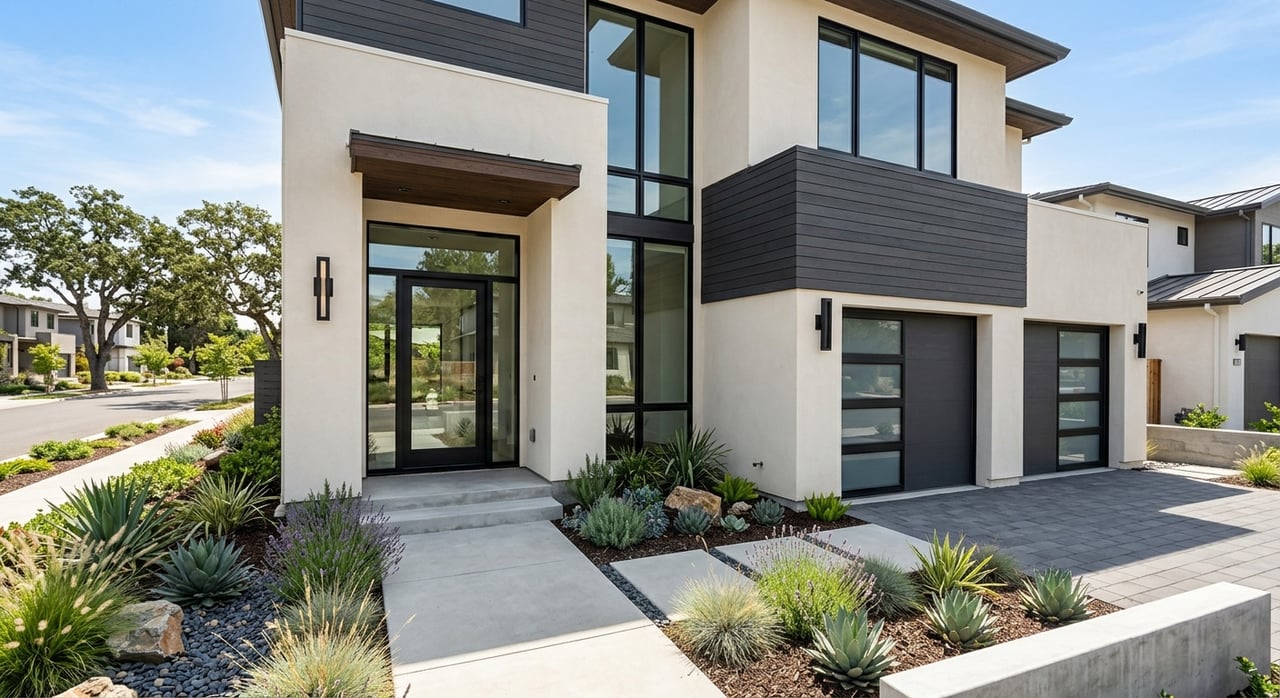
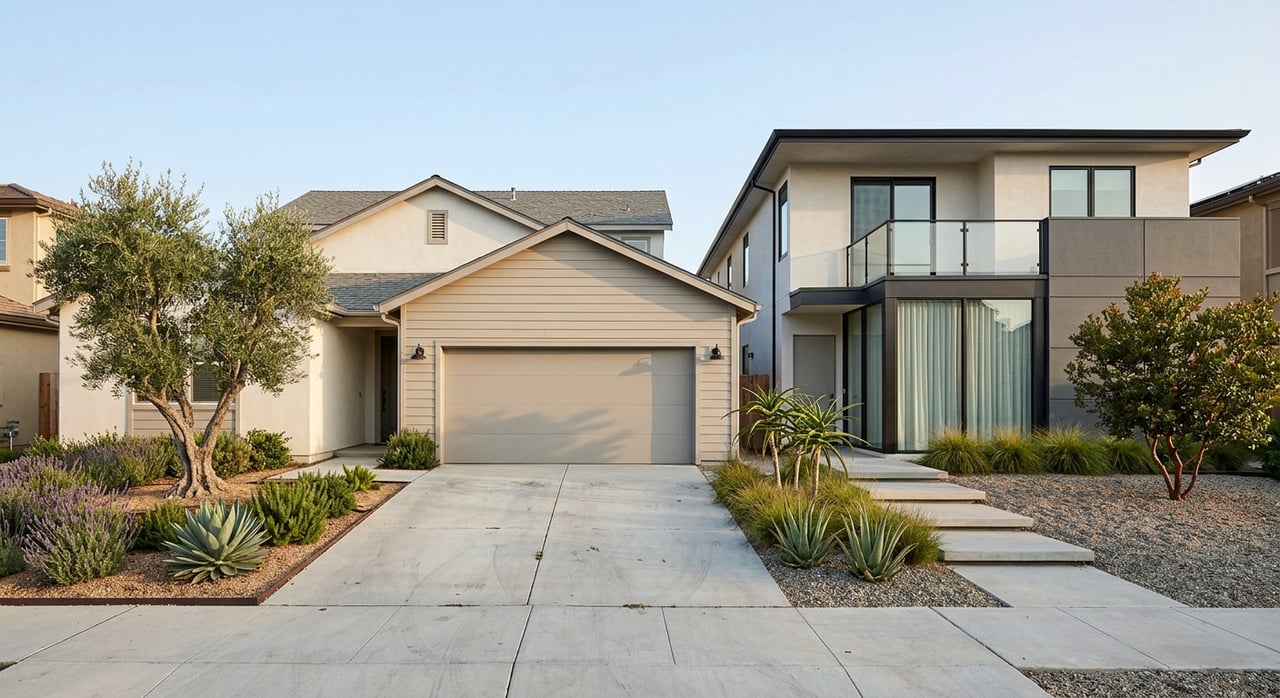
If you are coming from a condo-heavy or apartment-heavy area, Fremont may feel more suburban in a practical way. You are more likely to see detached homes, more single-family streetscapes, and a different pace of neighborhood development.
Fremont Home Prices Compared
At the citywide level, Fremont is not a bargain market, but it can look different depending on where you are moving from. Current typical home values are about $1,538,830 in Fremont, $1,452,609 in San Jose, and $2,029,113 in Mountain View.
That means Fremont is slightly above San Jose on current citywide value estimates. It is still well below Mountain View. So if you are moving from the Peninsula, especially from a high-cost market like Mountain View, Fremont may offer a different value equation even if the price tag is still high.
For San Jose movers, the shift is often less about a dramatic price drop and more about housing type, lot size, and neighborhood feel. In many cases, your decision may come down to what kind of home you want and what commute pattern you can accept.
Housing Stock in Fremont
One of the biggest reasons buyers consider Fremont is the housing mix. In 2020, Fremont’s housing stock was 58.5% single-family detached, 13.4% single-family attached, 3.3% 2-to-4-unit multifamily, 23.8% 5-plus-unit multifamily, and 1.0% mobile or other housing.
San Jose also has a strong detached-home presence, but it is more mixed. Its 2020 housing stock was 52.5% detached, 9.7% attached, 7.0% 2-to-4-unit multifamily, 27.5% 5-plus-unit multifamily, and 3.3% mobile homes.
Mountain View looks much different. Its 2020 housing stock was 29.1% detached, 12.6% attached, 8.4% 2-to-4-unit multifamily, 47.0% 5-plus-unit multifamily, and 2.9% mobile homes.
That comparison matters because it shapes your home search. If you are relocating from Mountain View or another dense Peninsula market, Fremont often shifts the conversation back toward detached homes, larger lots, and more suburban neighborhood patterns.
What Buyers Usually Gain in Fremont
When you move to Fremont, you are often trading density for a different kind of housing choice. That does not automatically mean bigger or cheaper in every case, but it often means more access to detached homes than in a denser Peninsula market.
You may also find that Fremont offers a different ownership profile. Because a larger share of homes are owner-occupied, some buyers feel more aligned with long-term ownership goals there, especially if they are moving from a rental-heavy city.
This is especially relevant if you are in a transition phase. Maybe you started in a condo, have outgrown your current layout, or want more separation between living spaces. Fremont can be appealing when your housing needs are changing, even if your budget is still stretched by Bay Area prices.
Market Speed Still Demands Preparation
Do not mistake a more suburban feel for a slow market. Fremont remains competitive. It currently has 337 homes for sale, with a median days-to-pending of 14.
San Jose has 1,381 homes for sale and a median of 12 days to pending. Mountain View has 125 homes for sale and a median of 9 days to pending. All three markets move quickly, with Mountain View the tightest and Fremont still fast enough that hesitation can cost you options.
If you are relocating, this speed affects more than just your offer strategy. It also affects how early you should get financing lined up, how you plan a sale-and-purchase timeline, and whether you need a backup housing plan.
Renting Before Buying in Fremont
Some relocations work better in two steps. You may choose to rent first, especially if you want time to learn Fremont’s neighborhoods, test commute routes, or buy after selling your current home.
Current average rent is about $3,146 in Fremont, compared with $3,329 in San Jose and $4,077 in Mountain View. If you are moving from Mountain View, that difference may give you more breathing room during the transition.
Fremont also has a local Rent Review Ordinance that covers all residential rental units, including single-family homes. It provides review and a formal hearing process for proposed rent increases above 5% in any 12-month period.
If you expect to rent first, it helps to understand local rules and compare your short-term housing cost against your buying timeline. This can be a practical bridge if you want less pressure during your home search.
Commute Tradeoffs Matter
A move to Fremont can change your daily routine as much as your housing type. Fremont has regional access through I-680 and I-880, along with BART, ACE, and Amtrak Capitol Corridor service.
For BART riders, both Fremont Station and Warm Springs/South Fremont Station are on the Richmond/Berryessa-North San Jose–Daly City service. BART also connects to Millbrae, where Caltrain coordinates transfers.
Still, average commute time is worth paying attention to. The Census reports a mean travel time to work of 30.3 minutes in Fremont, compared with 27.3 minutes in San Jose and 23.3 minutes in Mountain View.
That does not mean your commute will always be longer, but it does mean you should test your real route before you commit. A map can only tell you so much about freeway patterns, parking, transfers, and timing.
How to Test Fremont on a Scouting Trip
If you are serious about relocating, make your visit practical instead of purely visual. Drive or ride the exact route you expect to use on a normal workday.
For transit users, test a real trip from the neighborhoods you are considering to Berryessa, Downtown San Jose, or Millbrae. For drivers, compare how I-880, I-680, and BART park-and-ride access feel at commute hour.
This step can save you from choosing the right house in the wrong routine. The best relocation decisions usually balance home preferences with what daily life will actually require.
Planning the Move Timeline
Because homes in Fremont are going pending in about 14 days, timing matters. If your move involves selling first, buying first, or trying to do both at once, you need a plan before the first listing goes live or the first offer gets written.
A practical sequence often includes:
- Completing lender pre-approval early
- Organizing financial paperwork in advance
- Deciding whether you may need a rent-back
- Exploring bridge financing if appropriate
- Considering a temporary rental as a backup
- Planning inspections and repair budgeting ahead of time
This is not about overcomplicating the move. It is about reducing stress when the market moves faster than your calendar does.
Fremont vs. San Jose vs. Peninsula
Here is the simplest way to think about the choice.
If you are moving from Mountain View or a denser Peninsula market, Fremont may offer a meaningful shift in housing type and monthly rent context, while still keeping access to regional job centers. If you are moving from San Jose, the change may be more about neighborhood character, commute setup, and the kind of home you want, rather than a major citywide price discount.
That is why relocation planning should be personal, not generic. The right move depends on whether you value detached housing, commute flexibility, a rental bridge, or a tighter connection to your current job corridor.
If you want help weighing those tradeoffs, a local, hands-on strategy can make a big difference. When you are ready to map out your move to Fremont, schedule a consultation with Wajiha Tareen.
FAQs
What is the main housing difference between Fremont and Mountain View?
- Fremont has a much higher share of single-family detached homes and a much higher owner-occupied rate, while Mountain View has a much larger share of 5-plus-unit multifamily housing.
Is Fremont cheaper than San Jose for homebuyers?
- Based on current typical home values, Fremont is slightly above San Jose at the citywide level, so the move is usually more about housing type and neighborhood feel than a major price break.
Is renting first in Fremont a smart relocation strategy?
- Renting first can be useful if you want time to learn neighborhoods, test commute routes, or bridge the gap between selling your current home and buying your next one.
How fast does the Fremont housing market move?
- Fremont currently has a median days-to-pending of 14, which means buyers should be prepared before they start making offers.
What commute options should Fremont movers consider?
- Fremont offers access to I-680, I-880, BART, ACE, and Amtrak Capitol Corridor, so it is smart to test your real route by car or transit before choosing a neighborhood.