If you are torn between an older home and a newer one in San Jose, you are not alone. In a market where the median owner-occupied home value was about $1.27 million in the 2024 ACS profile, the choice is rarely just about price or square footage. You are usually balancing character, maintenance, HOA costs, and future updates all at once. This guide will help you compare the tradeoffs so you can make a more confident decision. Let’s dive in.
Why This Choice Matters in San Jose
San Jose has a housing mix that makes this decision especially relevant. The city says the largest share of homes was built from 1960 to 1979, and only 5.2% of the current housing stock was built since 2010. That means many buyers are choosing between mid-century or older homes and a smaller pool of newer construction.
You also have real variety in housing type. San Jose includes a meaningful number of attached homes and multifamily properties, including townhomes and condo-style options. In practical terms, that means your search may involve a detached older house on one hand and a newer townhome or condo with HOA dues on the other.
Older Homes in San Jose
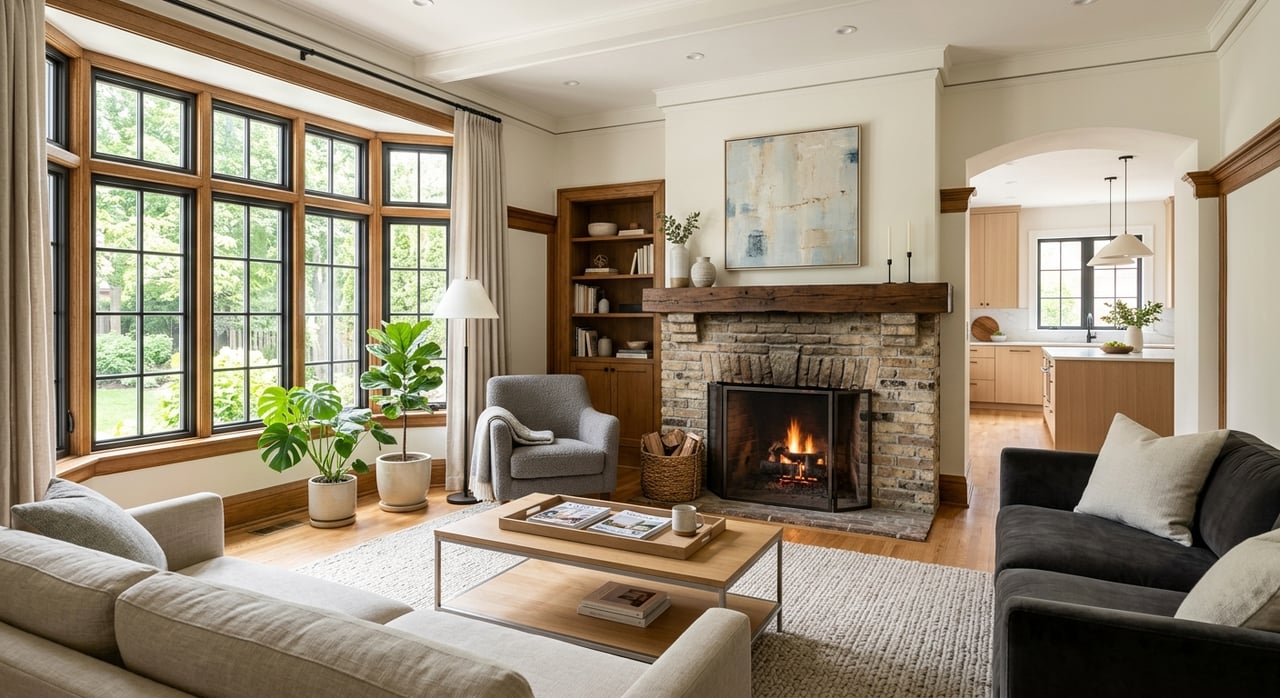
Older homes often attract buyers for reasons that go beyond numbers on a listing sheet. In San Jose, older neighborhoods can include homes from the late 1800s through the mid-1900s, and many buyers are drawn to that established feel. You may also find more distinctive architecture and a sense of place that is harder to replicate in newer developments.
What buyers often like
Older homes can offer benefits that matter day to day:
- Established neighborhood layout and mature surroundings
- More distinctive architectural details
- A style and character that feels less cookie-cutter
- Potential renovation opportunities for buyers who want to customize
That said, charm usually comes with more unknowns. If you love an older home, your decision should include a close look at condition, repair history, and what future improvements might cost.
What to watch carefully
One of the biggest issues is age-related risk. Homes built before 1978 are subject to lead-disclosure rules, and older homes are more likely to contain lead-based paint. According to the EPA, 24% of homes built from 1960 to 1978 and 87% of homes built before 1940 contain some lead-based paint.
If you are planning to remodel, asbestos can also become part of the conversation. The EPA advises that intact asbestos is often best left alone, but if materials are damaged or will be disturbed during remodeling, repair or removal should be handled by trained and accredited professionals. This matters if you are buying with plans to update kitchens, baths, flooring, or walls soon after closing.
Historic area considerations
Some older homes are located in historic districts or conservation areas. In those cases, exterior changes may require a historic preservation permit from the City of San Jose. If you are dreaming about major curb appeal changes right away, this is something to verify early.
That does not mean historic-area homes are off-limits. It simply means your renovation timeline and approval process may look different from what you expected.
Earthquake and soft-story questions
San Jose also has a local earthquake-retrofit lens for certain older buildings. The city defines some soft-story buildings as wood-frame buildings built before 1990 with vulnerable lower stories, such as large openings for parking or storage, or crawl spaces lacking retrofit. The city notes these buildings may be at risk of collapse in a major earthquake.
This issue is especially important if you are considering certain attached or multi-unit properties. It is a reminder that older homes and buildings may require more investigation beyond the usual cosmetic checklist.
Newer Homes and Townhomes in San Jose
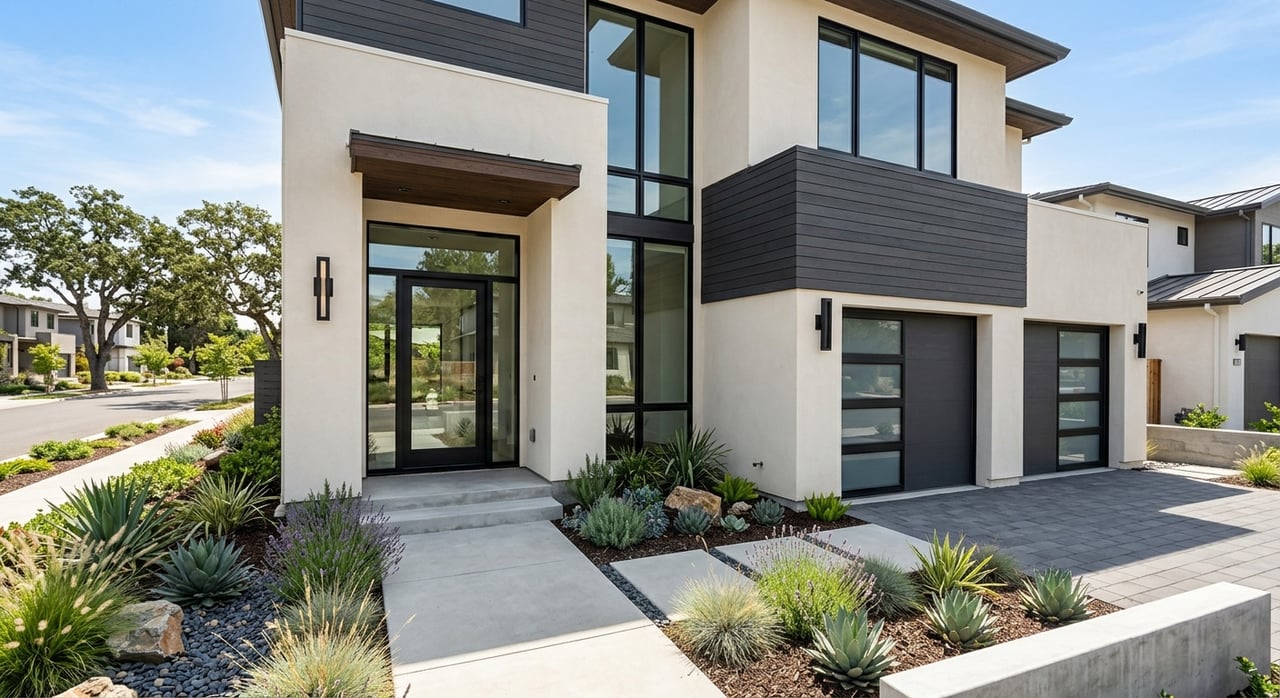
Newer homes usually appeal to buyers who want more predictability. In San Jose, that often means newer single-family homes, townhomes, or condos with features shaped by current California building standards. For many buyers, the draw is simple: fewer immediate upgrade questions and a more move-in-ready feel.
What buyers often like
California’s 2022 Energy Code applies to permit applications on or after January 1, 2023. The California Energy Commission says it encourages efficient electric heat pumps, electric-ready requirements for new homes, expanded solar PV and battery-storage standards, and stronger ventilation. Solar PV rules apply to all newly constructed single-family residential buildings, including townhouses and one- or two-unit buildings.
The practical takeaway is that many newer homes are built with energy efficiency and future electrification in mind. New single-family buildings with one or two dwelling units must also be energy-storage-ready. For buyers, that can mean a home that feels more current from day one.
The tradeoff with newer attached homes
Many newer townhomes and condos are part of common interest developments. The California Department of Real Estate explains that HOAs manage common areas, levy dues and assessments, and maintain reserves for major replacement and maintenance items like roofing, painting, paving, lighting, carpet, pools, and other shared amenities.
So while a newer home may come with fewer near-term repair surprises inside the unit, some of those costs show up in a different form. Instead of paying for every exterior item directly as needed, you may be paying monthly HOA dues and occasionally facing special assessments.
Why HOA review matters
When you buy into an HOA, you are buying both the home and the rules that come with it. The DRE notes that CC&Rs run with the land, which means they continue to apply to future owners. Before you write an offer, it is important to review the HOA documents with care.
Focus on a few key items:
- CC&Rs and community rules
- Monthly dues
- Assessment history
- Budget and reserve-study materials
- Insurance obligations
This step can tell you a lot about whether a newer attached home truly fits your budget and long-term plans.
Older vs. Newer: The Real Tradeoff
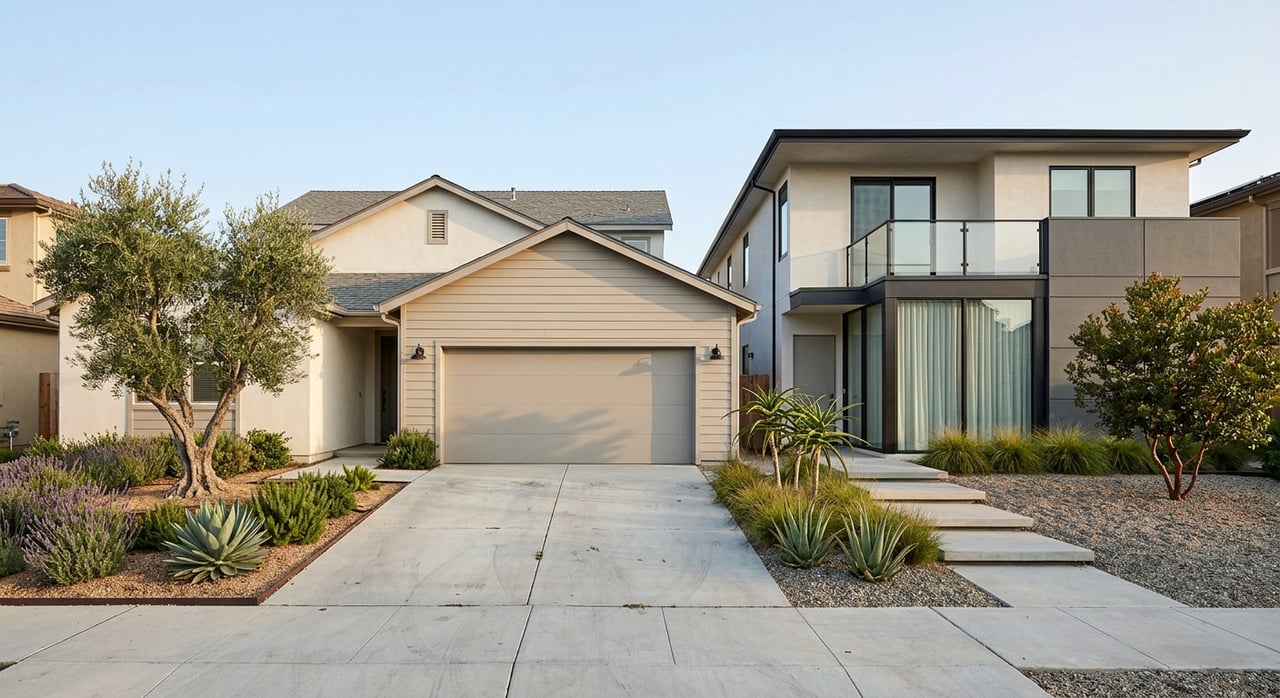
In San Jose, older homes usually buy you character and neighborhood maturity. Newer homes usually buy you code-driven efficiency and more predictable near-term maintenance. Neither option is automatically better. The right fit depends on what kind of risk and responsibility feels more manageable to you.
If you are comfortable with renovation planning, contractor coordination, and a deeper inspection process, an older home may feel worth it. If you prefer a more straightforward maintenance picture and like the idea of newer systems, a newer home may be the better match.
Questions to Ask Before You Choose
A smart decision usually starts with the right questions. Instead of asking only which home looks better online, ask which ownership experience fits your lifestyle, budget, and stress tolerance.
Ask these questions about older homes
- Was the home built before 1978, and what lead disclosures apply?
- Could planned remodeling disturb possible asbestos-containing materials?
- Is the property in a historic district or conservation area?
- Would exterior work require a historic preservation permit?
- Does the building have any soft-story or earthquake-retrofit concerns?
These questions can help you understand whether the home’s charm comes with costs or restrictions you are ready to handle.
Ask these questions about newer homes
- Is the property part of an HOA?
- Are the reserves strong enough for future roofing, paving, and painting needs?
- Have dues increased recently?
- Is there a history of special assessments?
- Do the rules fit how you want to live in the home long term?
These questions can help you avoid a situation where a low-maintenance property still creates budget strain through dues or community restrictions.
How to Decide What Fits You Best
If you want a home with personality and you do not mind extra due diligence, an older home may be a great fit. You may get a more established setting and a style that feels unique, but you should go in with clear eyes about repairs, permits, and renovation risk.
If you value efficiency, convenience, and a more predictable maintenance picture, a newer home or townhome may be the better choice. You will still need to do your homework, especially on HOA finances and rules, but the day-to-day ownership experience may feel simpler.
In San Jose, this decision is rarely just old versus new. It is really about which tradeoffs you want to live with and which ones you want to avoid.
If you want help comparing specific homes, reviewing neighborhood-level options, or thinking through HOA and condition tradeoffs, Wajiha Tareen can help you sort through the details and move forward with confidence.
FAQs
Should you buy an older home or newer home in San Jose?
- The better choice depends on your comfort with renovation risk versus HOA obligations, ongoing dues, and the maintenance profile of a newer property.
What should you check before buying an older home in San Jose?
- You should review lead-disclosure issues for homes built before 1978, possible asbestos concerns if you plan to remodel, historic-area permit rules, and any soft-story or earthquake-retrofit exposure.
What are the benefits of newer homes in San Jose?
- Newer homes may offer energy-code-driven features like electric-ready construction, solar requirements for newly constructed single-family homes, stronger ventilation, and a more predictable near-term maintenance picture.
Why do HOA documents matter when buying a newer townhome or condo in San Jose?
- HOA documents can show you the rules, dues, reserve funding, insurance obligations, and assessment history that affect both your monthly costs and your long-term ownership experience.
Are historic district homes in San Jose harder to update?
- They can be, because exterior changes in designated historic areas may require a historic preservation permit from the City of San Jose.
Are newer homes in San Jose always lower maintenance?
- Not always. They may have fewer immediate code-upgrade concerns, but attached homes can still carry ongoing costs through HOA dues and possible special assessments.