Most of the time when a developer moves into a historic ethnic enclave, the building that goes up looks nothing like what was there before. Ground-floor retail gets leased to a bank branch or a fast-casual chain, the upper floors fill with studios priced for someone new to the area, and the businesses that gave the block its character either hang on through the construction dust or don't. That is the pattern residents of San Jose's Japantown have watched play out at Sixth and Jackson before, and it is why the plans for 653 North 7th Street are worth paying attention to. This time, the building includes a performance hall for San Jose Taiko.
That single detail changes the story of what is actually happening in Japantown this year, and it is worth walking through slowly, because the pieces connect in a way that a quick scroll through event listings won't show you.
The Corner At 653 North 7th Street
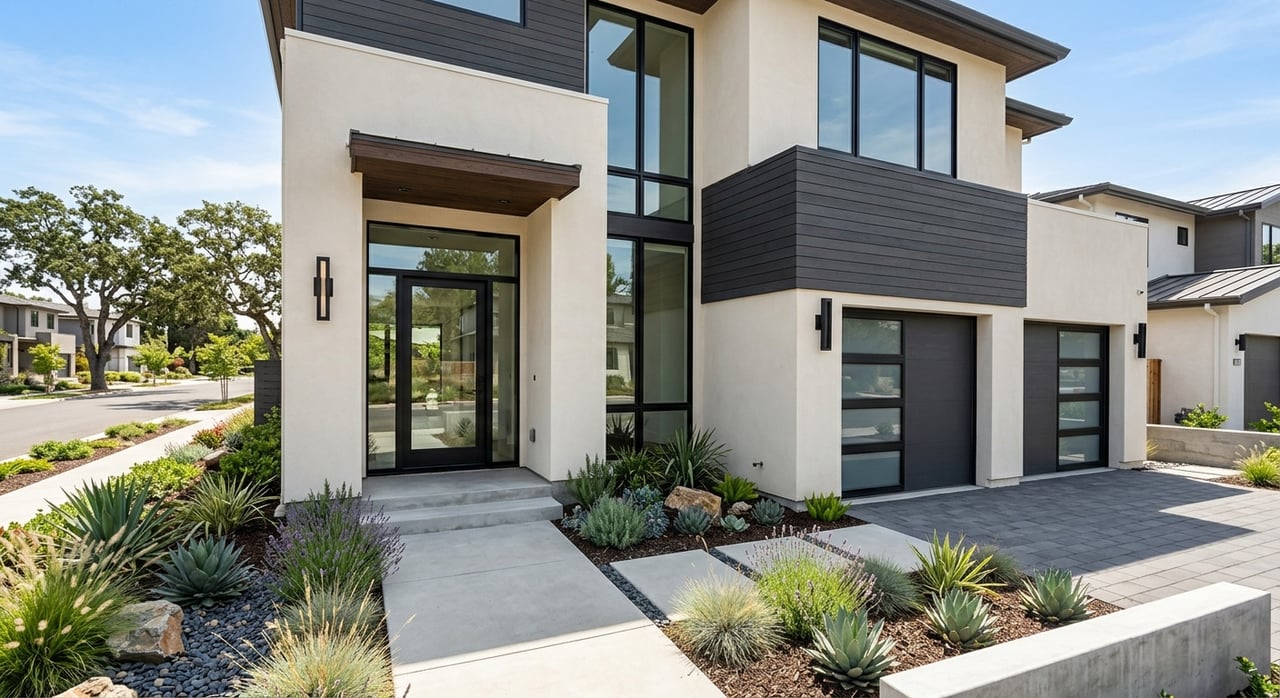
City staff cleared a six-story mixed-use project at 653 North 7th Street on July 8, 2026. Shea Properties is leading it, and the plan pairs 65 residential units with roughly 14,100 square feet of commercial space built specifically to house San Jose Taiko, along with an office, a workshop, and a gallery. The site backs up to a proposed public park, which means the green space that comes with new housing isn't a private amenity walled off for residents. It extends into the neighborhood.
San Jose Taiko has anchored cultural life in Japantown since 1973, running original performances and drumming education that has outlasted several waves of change on these blocks. Handing that nonprofit a purpose-built home inside new construction is a different move than tolerating it as a tenant. It's a developer treating the neighborhood's cultural infrastructure as part of the project brief, not an afterthought bolted on to satisfy a planning condition.
The Building Down The Block Already Set The Pattern
This isn't Shea's first project on this stretch. The completed Sixth & Jackson apartments sit a block away, and they are leasing now, with residents citing responsive leasing staff in recent reviews. When that project was still under construction, some Japantown business owners raised concerns about lost parking and rising costs of doing business nearby, the ordinary friction that comes with any large build in a small commercial district. Those concerns were real, and they haven't disappeared just because a newer, more culturally integrated project has since been announced next door.
What's changed is the shape of the next project. Sixth & Jackson added housing next to Japantown. The 653 North 7th Street plan adds housing with a piece of Japantown's cultural apparatus built into the same structure. That's a meaningful shift in how this particular developer, in this particular district, is choosing to build.
The Temple Is Building Too, And It Moved Obon
The San Jose Buddhist Church Betsuin is in the middle of its own construction project, a new Dharma Center building, and that project has ripple effects most visitors to this year's Obon Festival probably never noticed. The festival has used the same footprint for decades, but this July the church couldn't use its usual 4th Street lot because it's now a construction site. So the 2026 San Jose Obon Festival, held July 11 and 12, shifted its footprint to 5th Street between Taylor and Empire Streets instead of its typical spot on Taylor and Jackson.
It's a small logistical detail, but it says something larger. A neighborhood institution that has hosted this event since 1936 is investing enough in its own future to temporarily disrupt its biggest annual gathering. That's not a neighborhood in decline making do with what's left. That's an anchor institution building for the next several decades.
A Cultural District On Paper Since January
All of this construction activity lands in the same calendar year that California formally recognized San Jose's Japantown as a Cultural District, a five-year designation running from January 1, 2026 through December 31, 2030. The designation comes with a $10,000 grant and branding resources aimed at drawing more visitors, and it puts Japantown in company with a small handful of other California districts recognized the same year, including the American Indian Cultural District in San Francisco and the Black Arts Movement Business District in Oakland.
This year's Obon was the first celebrated under that new status, and staff at the Japanese American Museum of San Jose pointed to that timing directly during the festival weekend. The museum offered free admission both days, extended its hours, and opened a new exhibit called House Meeting(s): Opening the Door for Redress in San Jose, timed to draw festival crowds into the museum itself rather than just past its doors.
Put the three threads together. A state cultural designation that took effect in January. A temple expanding its own physical footprint enough to relocate its flagship festival. A developer building a Taiko performance hall into new housing a few blocks away. None of these things caused the others, but they are happening in the same twelve months, in the same three-block stretch of Jackson Street, and that's not a coincidence you'd catch from a single news alert. It's only visible if you're tracking Japantown closely enough to notice the pattern.
What's Still Just A Sunday Habit
None of that changes what Sunday mornings look like here. The Japantown Farmers' Market runs behind Gordon Biersch Brewery at 357 East Taylor Street every Sunday from 8 a.m. to noon, and this season runs from May 3 through October 25. It's a certified market, small enough that you can walk it end to end in twenty minutes, but it has anchored the neighborhood's weekend rhythm for years, drawing a mix of produce stands, baked goods, and ready-to-eat food alongside flowers and plants. In recent seasons the roster of vendors and pop-ups has drawn from names like Roy's Station Coffee & Teas, a Japantown fixture that also runs a storefront on Jackson Street year-round.
That's the part of Japantown that construction projects don't touch. The market runs on its own clock, and it will keep running through late October no matter how the Taiko hall project or the Dharma Center build progress on their own timelines.
The Walk Worth Taking This Weekend
If you want to see the layers of this neighborhood in one loop, the older and newer businesses along Jackson Street make the case better than any single fact does.
- Kogura Company has occupied its current spot since 1934, run now by the third and fourth generations of the Kogura family, after originally opening across the street in 1928. It's the oldest continuously operating shop in the district.
- Shuei-do Manju has been hand-folding mochi, manju, and chi chi dango every day for 38 years under Tom and Judy Kumamaru, the second couple to run the shop since it opened.
- Sora Soba, a newer arrival, sources its buckwheat flour from Hokkaido and Nagano and sits next to its sister restaurant Hinodeya, whose owner traces the ramen concept back to a shop his great-grandfather opened in Hasuda, Saitama Prefecture in 1885.
- Minasan, the newest addition on this stretch, blends local crafts, vintage T-shirts, and vinyl, and has become a gathering point for younger residents drawn to the neighborhood.
Walk that block on any given Saturday and you're passing a 1934 storefront, a 38-year-old family bakery, and a shop that opened its doors far more recently, all sharing the same three blocks that just earned state cultural recognition and are about to gain a drum hall down the street.
That's the actual shape of Japantown right now. Not a neighborhood being replaced by what gets built next to it, but one where the newest construction is finally being asked to carry some of the same cultural weight as the businesses that have been here for generations.
If you're the kind of person who tracks a neighborhood this closely because you're weighing what it would actually mean to live there, that's a different conversation, and one Wajiha Tareen has walked San Jose families through many times. Schedule a consultation whenever the questions turn from curiosity into a real decision.