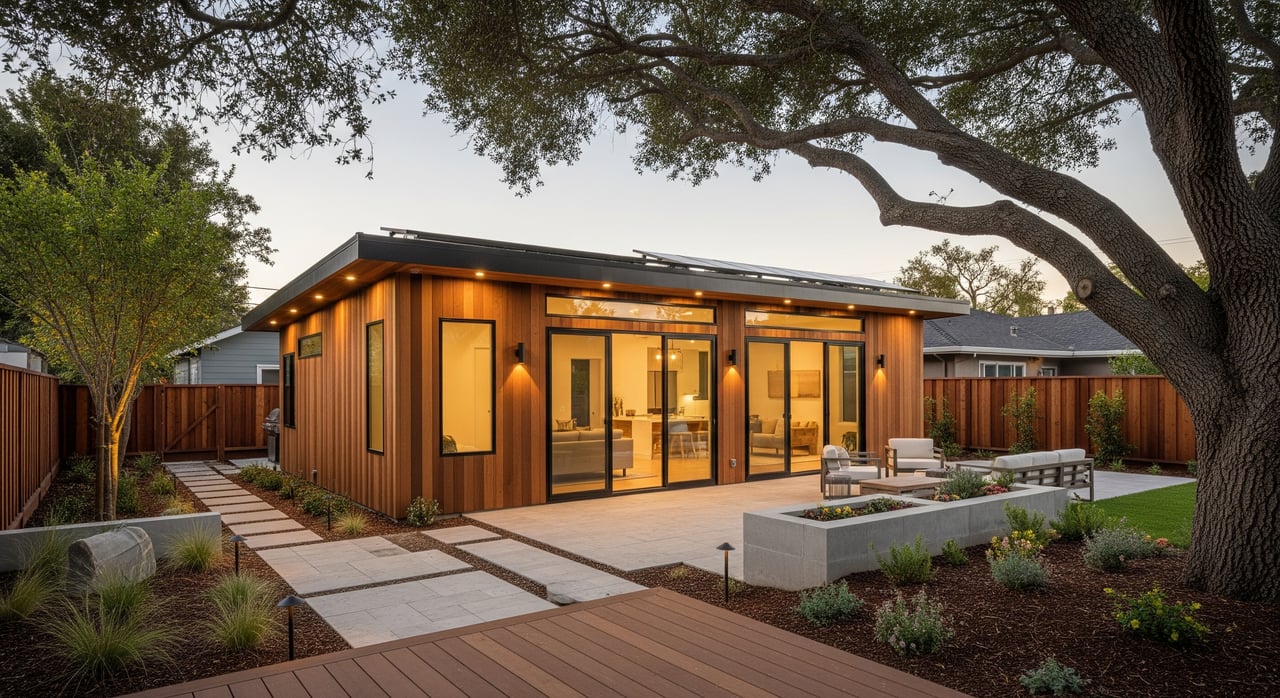
Thinking about adding a backyard home, converting your garage, or carving out a small suite for family in San José? You are not alone. ADUs are a popular way to gain space, create flexibility, and potentially add rental income. In this guide, you will learn the basics of ADU types, size and setback rules, parking, utilities, and the permit path in San José, along with practical next steps. Let’s dive in.
What counts as an ADU
An accessory dwelling unit is a smaller, independent home on the same lot as a primary residence. It has its own sleeping area, kitchen, and bathroom. In San José, ADUs are reviewed under California state law and local zoning and building codes. If your design meets objective standards, the city reviews it through a ministerial process without public hearings.
For parcel-specific requirements, start with the City’s Planning, Building and Code Enforcement staff via the Permit Center. You can find contacts and forms by navigating from the City of San José website.
ADU types at a glance
- Detached ADU. A stand-alone small home in the yard. It often needs its own foundation and utility connections. It is a good fit when you want more privacy or rental flexibility.
- Attached ADU. An addition to your main house that creates a separate unit with its own entrance. This can be a side or rear addition.
- Conversion ADU. A conversion of existing space, like a garage, attic, or basement, into a separate living unit. This avoids a new footprint but still must meet current building codes.
- Junior ADU (JADU). A small unit created within the walls of an existing single-family home. Under state law, a JADU is capped at 500 square feet and typically shares some utilities with the main house.
Size, height, and setbacks basics
California state law sets the baseline rules cities must follow. Two key points are widely applicable:
- JADU maximum size is 500 square feet under state law.
- Detached ADUs are commonly allowed up to about 1,200 square feet under state law in many contexts.
Local details still matter. San José applies state law and can set objective standards for height, lot coverage, and placement. Many California cities allow reduced side and rear yard setbacks for detached ADUs, often around 4 feet, subject to fire and access rules. Confirm exact numbers for your parcel with San José’s Planning staff and the ADU checklist. Start at the City of San José Permit Center for the latest standards.
If you want to understand the statewide framework, the California Department of Housing and Community Development’s ADU resources and the California Legislature’s statutes for Government Code section 65852.2 outline the baseline rights and limits that cities must follow.
Parking and access
State reforms have relaxed parking requirements for many ADUs. In several common situations, additional parking is not required, such as when the ADU is within an existing structure or located near qualifying transit. That said, your parcel’s zoning, driveway layout, and fire access can still influence what the city will accept.
What to do next:
- Map your driveway and side yard widths.
- Note how close a detached ADU would sit to side and rear property lines.
- Ask Planning staff whether your location or project type meets a parking exemption.
Find the right contact points by starting at the City of San José website and navigating to Planning, Building and Code Enforcement and the Permit Center.
Utilities, fees, and budgeting
Adding a unit means checking capacity for water, sewer, and electric service. Some ADUs need separate meters. Your providers and the city will tell you if connection or capacity upgrades and fees apply. Plan for plan check and building permit fees, and in some cases, school or impact fees. State and local programs may reduce or waive certain fees for smaller ADUs or regulated affordable units, so it is worth asking city staff about current options.
Practical tips:
- Contact your water, sewer, and electric providers early. Ask about capacity, meter options, lead times, and any off-site work.
- Build a contingency into your budget for utility upgrades and site work.
- Keep all fee quotes and emails in one folder so you can update your budget as plans evolve.
For current fee schedules and submittal checklists, use the City of San José Permit Center as your starting point.
Permitting in San José at a glance
Most code-compliant ADUs go through a ministerial review. Here is the typical path:
1) Feasibility check
Contact the Permit Center or Planning staff to confirm your zoning, setback rules, and any parcel constraints like easements. Ask for the ADU checklist.
2) Create your plans
Prepare a site plan, floor plans, elevations, and a basic utility plan. Include drainage notes and energy compliance. Consider hiring an architect or designer with local ADU experience.
3) Submit your application
Apply through the Permit Center or online portal. Your plans will be routed to Planning, Building, and Fire for review.
4) Respond to comments
Reviewers will return corrections. Your design team revises drawings to address building code, zoning, and fire requirements.
5) Get permits and build
When plans are approved and fees paid, permits are issued. Your contractor schedules inspections at key milestones.
6) Final inspection and occupancy
Once all inspections pass, you receive final sign off to occupy or rent the ADU.
Timelines vary. Simple, code-compliant conversions can move in weeks to a few months once complete plans are submitted. Detached units that need new utility work or complex site solutions often take longer.
For forms, submittal requirements, and contacts, begin at the City of San José Permit Center.
Is your lot right for an ADU
Use this quick checklist to gauge feasibility:
- Pull your zoning and parcel data. Confirm single-family or multi-family zoning through the city’s planning resources.
- Contact the Permit Center and request the ADU checklist and parcel-specific guidance.
- Order a basic site survey if your lot lines or easements are unclear.
- Identify utility service providers and request capacity and connection guidance.
- Choose an ADU type that fits your goals and site: JADU up to 500 square feet inside your existing home, a garage conversion, an attached addition, or a detached build.
- Gather at least two estimates from licensed contractors with recent ADU work in San José.
- Build a preliminary budget that includes design fees, permits, utilities, contingency, and landscaping or site work.
If your lot is narrow or your yard is tight, talk to the Fire Prevention staff about access and any special requirements. You can locate the Fire Department and relevant contact details by starting at the City of San José website.
Working with contractors
Picking the right builder can make or break your experience.
- Hire a contractor with recent ADU projects in San José. Local familiarity speeds reviews and inspections.
- Verify licenses, bonding, and insurance. Ask for references and finished project photos.
- Get a clear written scope, schedule, and change order process.
- Decide who will pull permits and manage inspector communications.
- Plan for site logistics early, including material staging, tree protection, and neighbor communication.
Financing, taxes, and insurance
Homeowners often use one or more of these options to fund an ADU:
- Home equity loan or HELOC
- Cash-out refinance
- Construction or renovation loan
- Specialized ADU financing programs, where available
Adding an ADU can affect your property taxes and insurance. Rental income is generally taxable, and improvements may increase assessed value. Notify your insurance carrier before construction so coverage keeps pace with your plans. For taxes and insurance, it is best to consult your tax advisor and insurer.
Where to find official guidance
- City of San José Planning, Building and Code Enforcement and the Permit Center. Find ADU checklists, forms, and contacts by starting at the City of San José website.
- California Department of Housing and Community Development. Learn statewide ADU rules and homeowner guides at the HCD ADU resources page.
- California Legislative Information. Read the governing statute for ADUs in Government Code section 65852.2.
Building an ADU can be a smart way to support multigenerational living, add flexibility, or generate income in San José. If you want a local sounding board as you weigh costs, layout options, and timeline, reach out to Wajiha Tareen for a friendly, practical consultation.
FAQs
Can I build an ADU on my San José property
- Likely yes if your zoning allows it and you meet objective standards, so start with the Permit Center to confirm your parcel’s rules and get the ADU checklist.
How big can my ADU be in San José
- State law caps JADUs at 500 square feet and commonly allows detached ADUs up to about 1,200 square feet, but verify local height and size limits with Planning staff.
Do I need an extra parking space for an ADU
- In many cases parking is not required due to state exemptions, especially for conversions or ADUs near transit, but confirm parcel-specific rules with the city.
How long does ADU permitting take in San José
- Simple, compliant projects may move in weeks to a few months once plans are complete, while detached builds with utility work can take longer.
What fees should I expect for an ADU project
- Plan check and building permits are standard, and you may have utility connection, capacity, and school or impact fees depending on size and scope.
Do I need fire sprinklers or special access for a backyard ADU
- Fire safety and access requirements depend on your site conditions and code, so check with the city and Fire Prevention staff during feasibility.